Laat Een Bericht Achter
Als u geïnteresseerd bent in onze producten en meer details wilt weten, laat dan hier een bericht achter. We nemen zo snel mogelijk contact met u op.

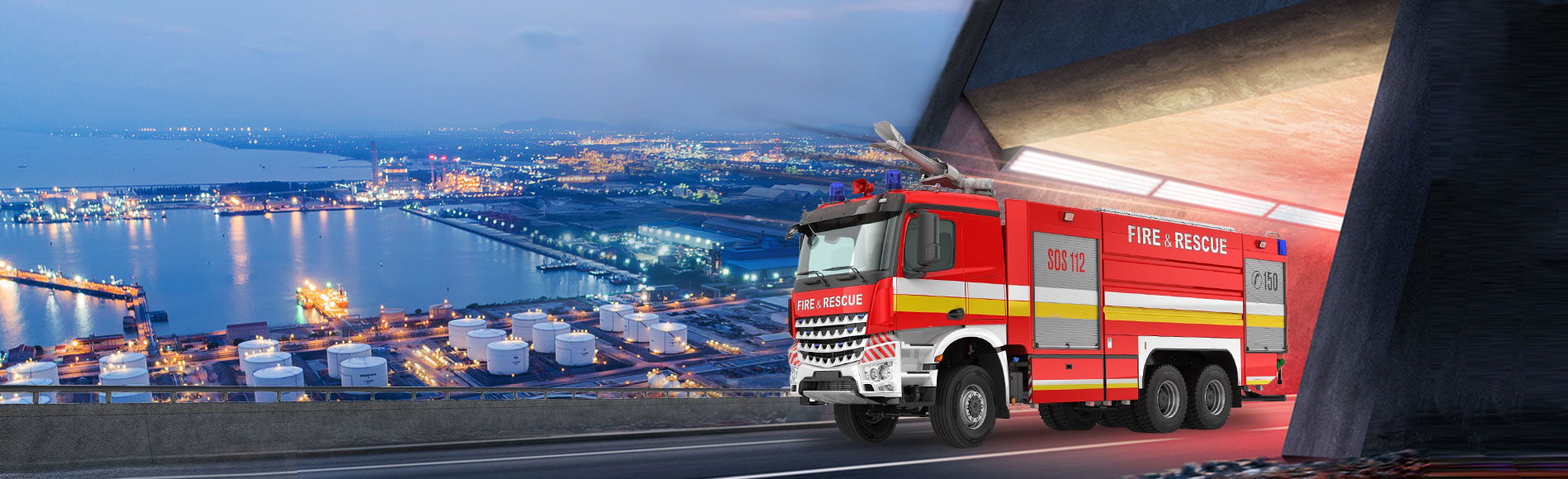
How Much Does a Fire Truck Cost? Key Factors That Determine the Price
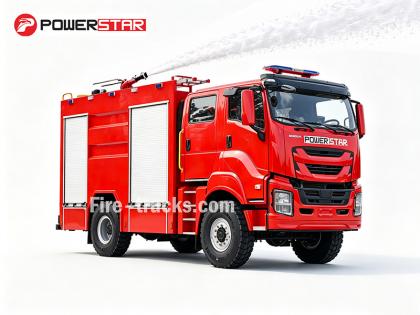
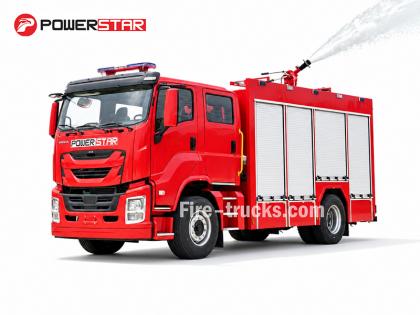
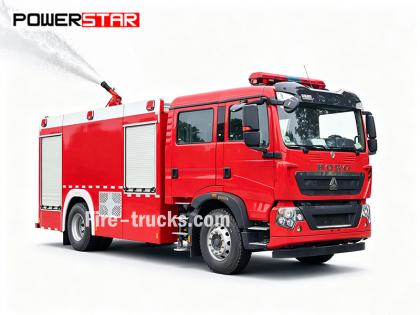
Fire truck prices vary widely depending on vehicle type, chassis configuration, firefighting systems, and customization requirements. Basic fire water tankers are typically less expensive than fully equipped foam fire trucks, aerial ladder trucks, or airport fire trucks. A fire truck is a custom emergency vehicle built around a specific chassis, fire pump, tank body, and equipment package. Two trucks that look similar may differ in price by hundreds of thousands of dollars.
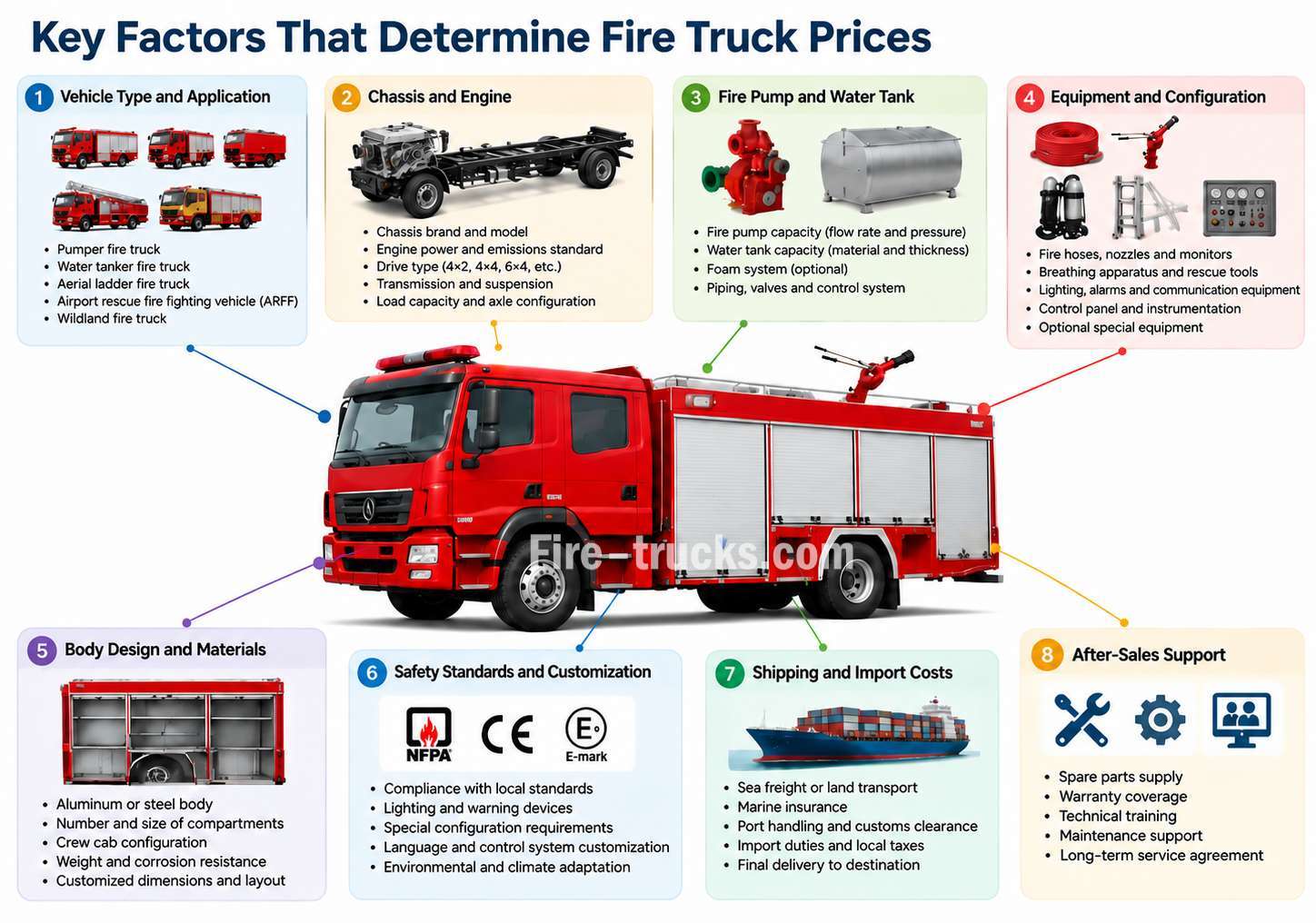
This guide breaks down the real cost drivers behind fire truck quotations and the typical price ranges for different vehicle classes.
Quick Answer
Fire truck prices are mainly determined by vehicle type and operating height, chassis brand and specifications, fire pump and foam system configuration, tank capacity and material, and the degree of customization and included equipment. Entry-level small water tankers start at approximately US$20,000–50,000; standard municipal pumpers and foam trucks range from about US$50,000 to over US$170,000; and specialized elevating fire trucks can exceed US$1.5 million.
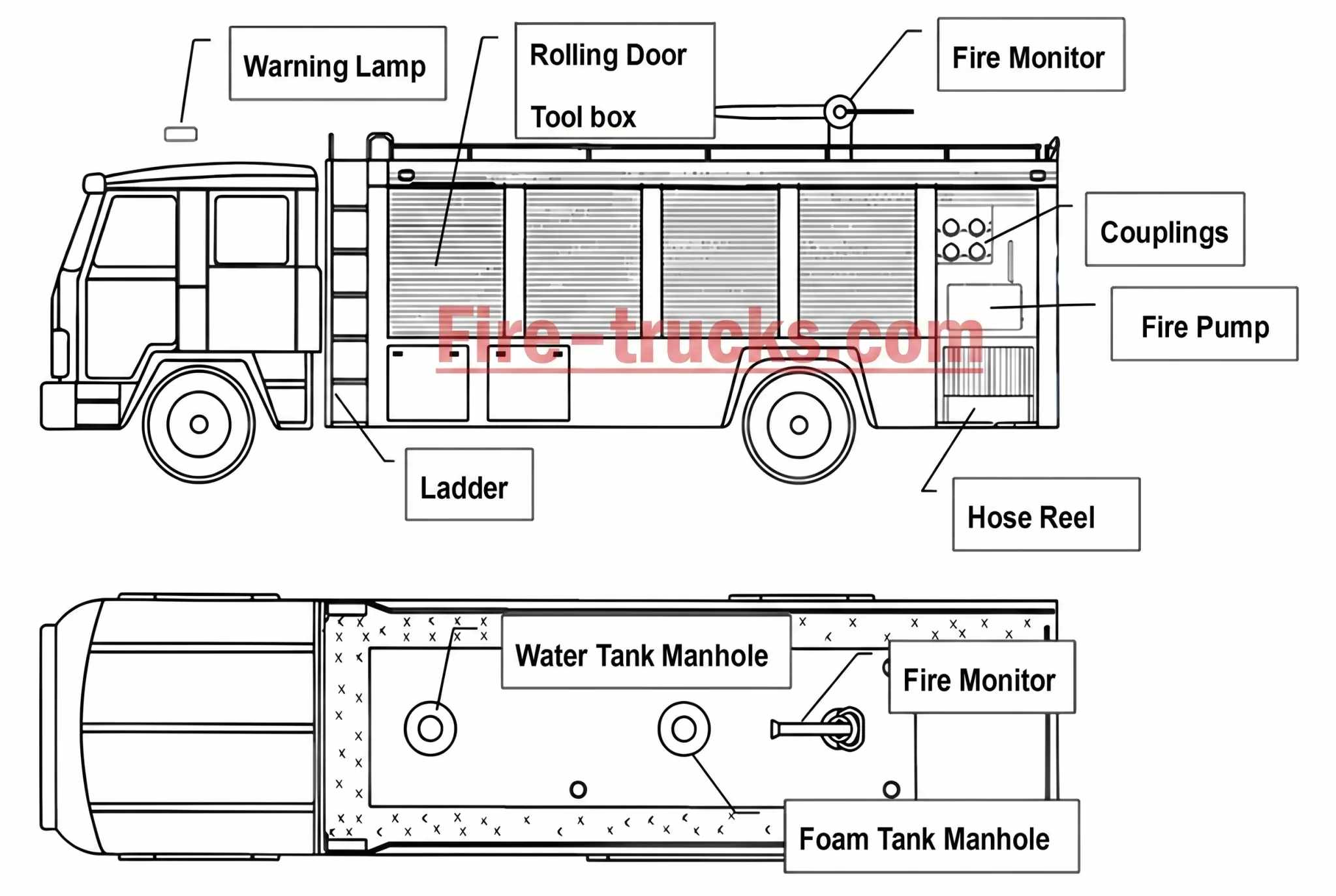
I. Fire Truck Type: The Primary Price Driver
The type of fire truck is one of the most important factors affecting its purchase price. Different vehicles are designed for different firefighting tasks and require different equipment and systems.
• Fire Water Trucks: Primarily equipped with water tanks, fire pumps, and water monitors for basic firefighting operations.
• Foam Fire Trucks: Include additional foam concentrate tanks and proportioning systems for fighting flammable liquid fires.
• Dry Powder Fire Trucks: Equipped with pressurized dry powder tanks, nitrogen systems, and specialized discharge equipment.
• Aerial Ladder Fire Trucks: Require hydraulic lifting systems, reinforced chassis, aerial platforms, and advanced safety controls.
• Airport Fire Trucks: Need high-capacity pumps, large water and foam tanks, high-performance monitors, and rapid-response capabilities.
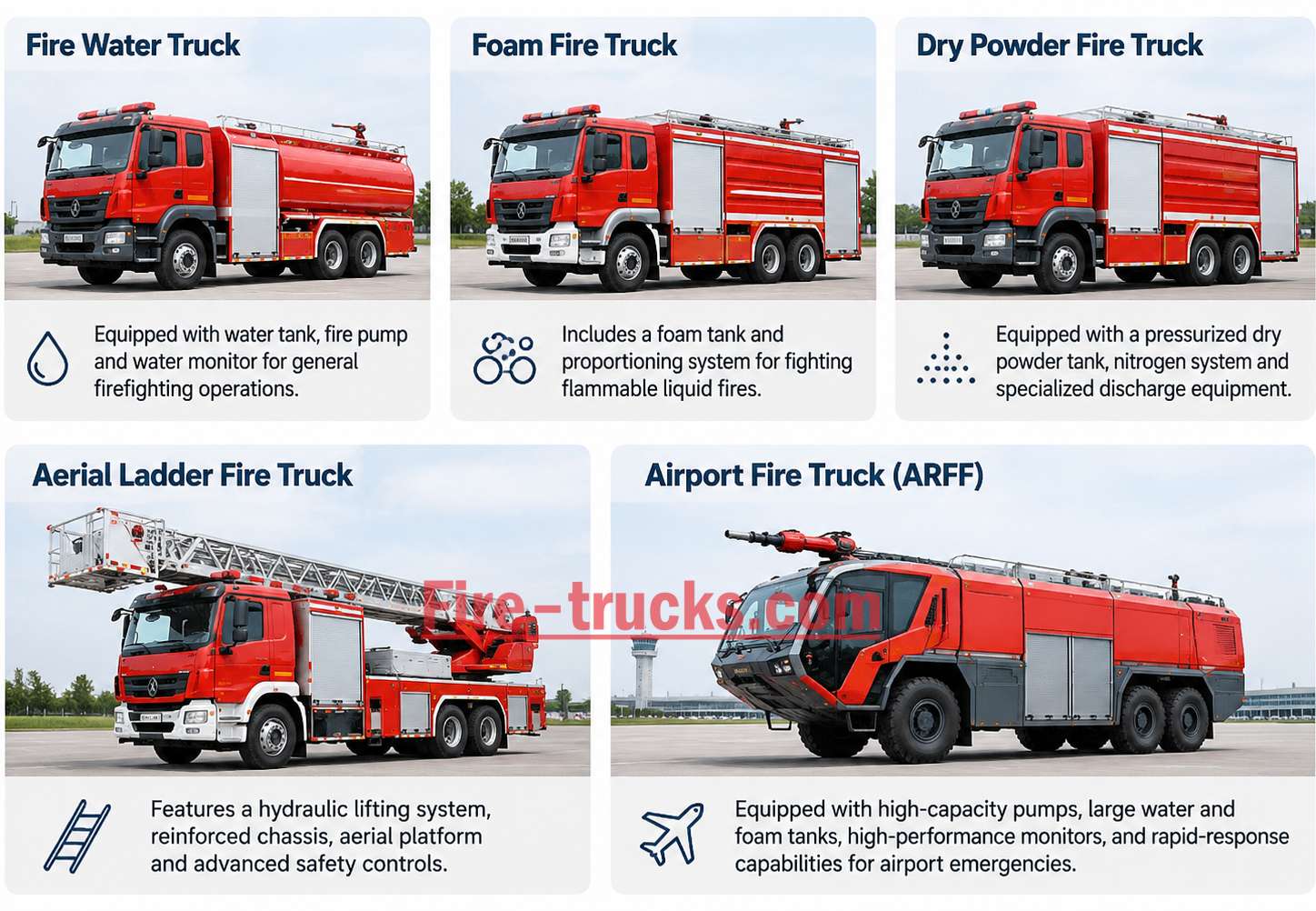
Below are the price ranges for different types of fire trucks:
| Vehicle Category | Vehicle Type | Configuration (Drive & Capacity) | Approx. Price (USD) |
| Municipal water/foam trucks | Water fire truck | 5–10 CBM | ~30,000 |
| Municipal water/foam trucks | Water/foam truck | 5–10 CBM | 40,000–60,000 |
| Municipal water/foam trucks | Heavy water-foam truck | 6×4, 6x6, 4x4, 10–16 CBM | ~95,000 |
| Municipal water/foam trucks | Large water-foam truck | Up to 16,000 L (16 CBM) | ~98,000 |
| Elevating fire trucks | Platform truck (under 30 m) | Hydraulic boom system | 420,000–490,000 |
II. Chassis Brand and Specifications
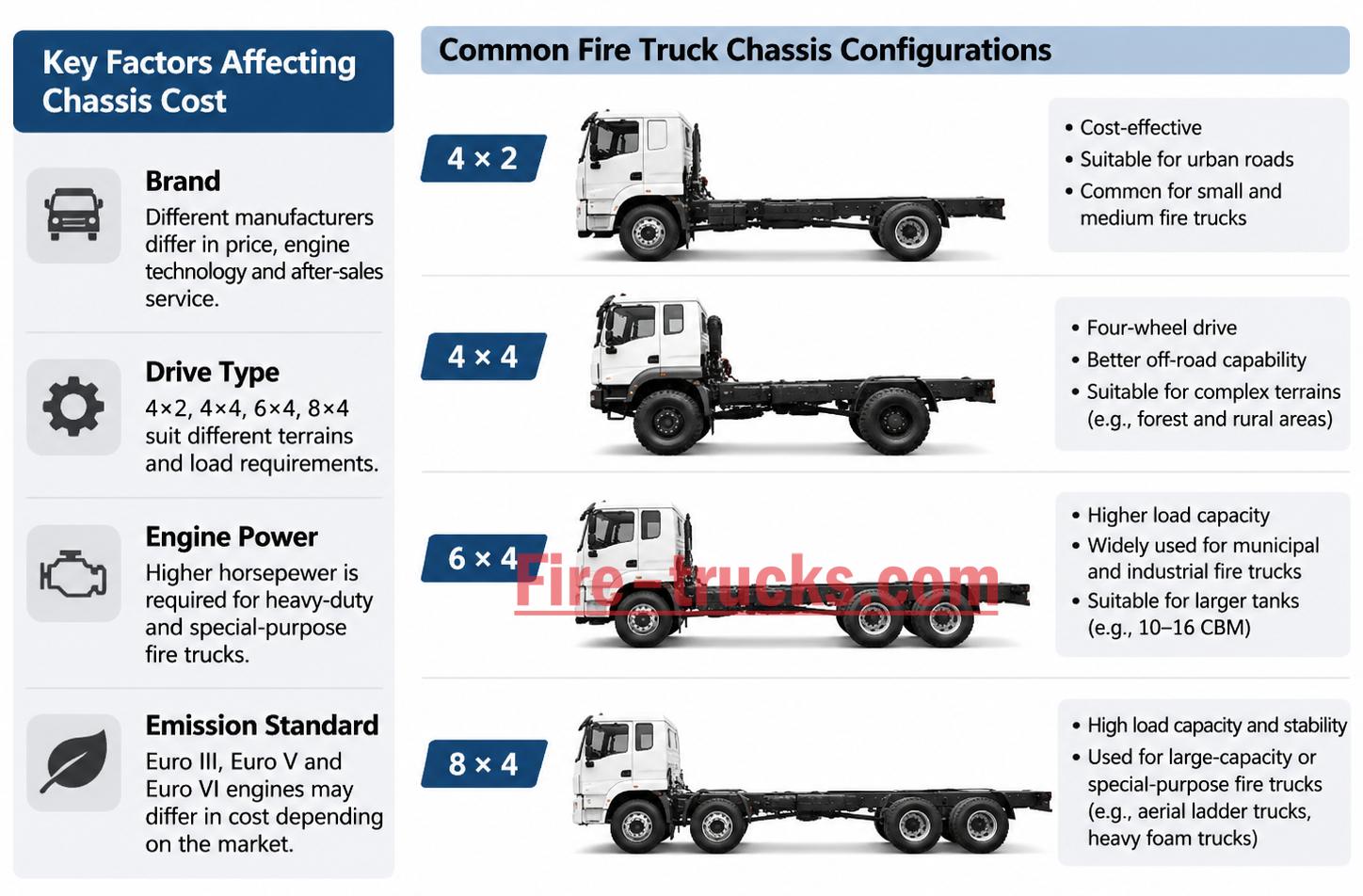
The chassis is the foundation of the entire fire truck and directly affects the vehicle's load capacity, driving performance, and operational reliability.
Key factors affecting chassis cost include:
• Brand: Different chassis manufacturers differ in price, engine technology, and after-sales service.
• Drive type: 4×2 chassis are generally more economical, while 4×4, 6×4, and 8×4 chassis suit different terrains and load requirements.
• Engine power: Heavy-duty fire trucks and special-purpose vehicles may require higher-horsepower engines.
• Emission standards: Euro III, Euro V, and Euro VI engines may differ in cost depending on the market and supply situation.
For example, a small 4×2 fire truck suitable for urban roads is typically less expensive than a large 6×4 or 8×4 fire truck used for industrial firefighting.
III. Fire Pump and Foam System Configuration
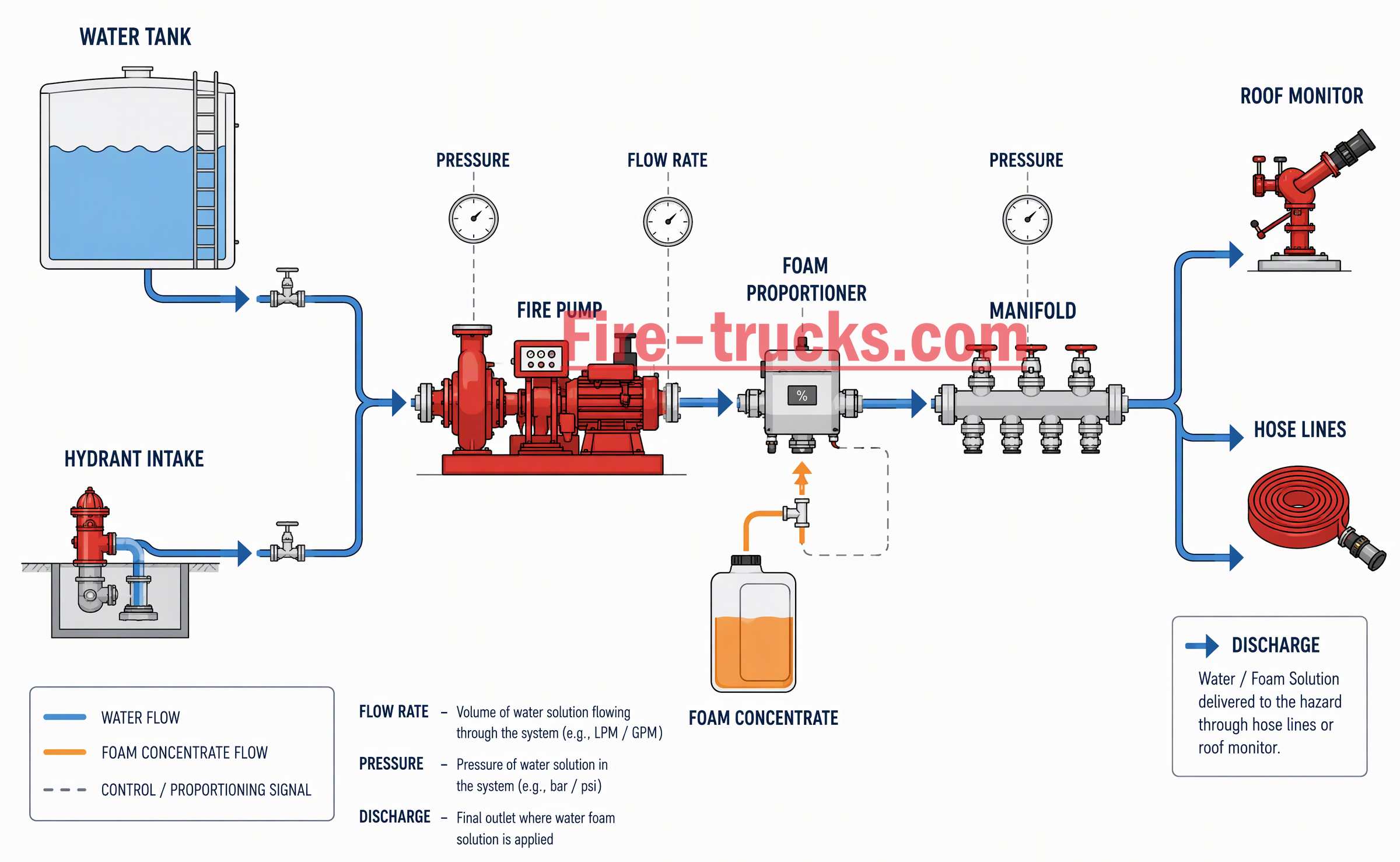
The fire pump is the core component of a fire truck, responsible for delivering water or foam solution at the specified flow rate and pressure. The technical parameters of the fire pump directly affect the vehicle's firefighting capability and manufacturing cost.
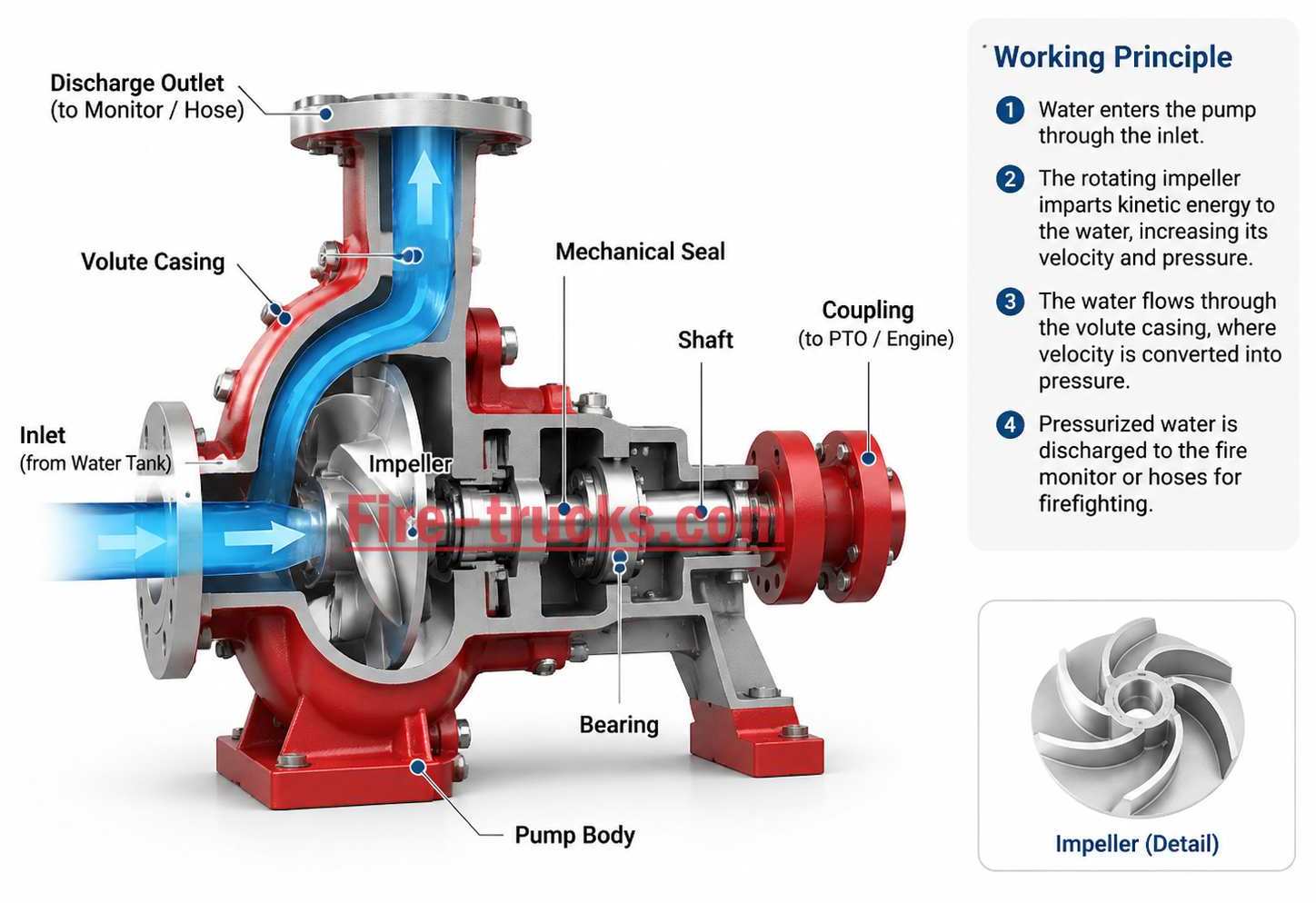
• Pump capacity: A small 30 L/s pump is standard equipment for light water tankers. A 60 L/s pump is typical for municipal pumpers, and 100–120 L/s pumps are required for heavy industrial or high-flow applications. Higher flow rates require larger pumps, stronger piping, and more powerful chassis engines.
• Pump type: Single-stage and multi-stage centrifugal pumps suit different operating requirements.
• Foam proportioning system: Pure water trucks are less expensive than trucks with foam capability. Adding a foam tank, foam proportioner, and foam-compatible piping and monitor increases cost. The type of proportioner matters: manual around-the-pump proportioners are economical, while automatic electronic proportioning systems add cost but provide greater precision and faster response.
• Fire monitor specifications: A manual fire monitor is the baseline configuration. Electric or remote-controlled monitors add cost but allow the operator to remain at a safe distance. The monitor's flow rate and throw must match the pump capacity.
• Priming system: Vacuum priming devices and their control components also add to the overall cost.
IV. Tank Capacity and Material
Water and foam tanks are major cost components, and both capacity and material affect price.
• Tank capacity: Larger tanks require a larger chassis, stronger mounting structures, and more material. A 5 CBM tank on a light chassis is far less expensive than a 20 CBM tank on a heavy 6×4 chassis.
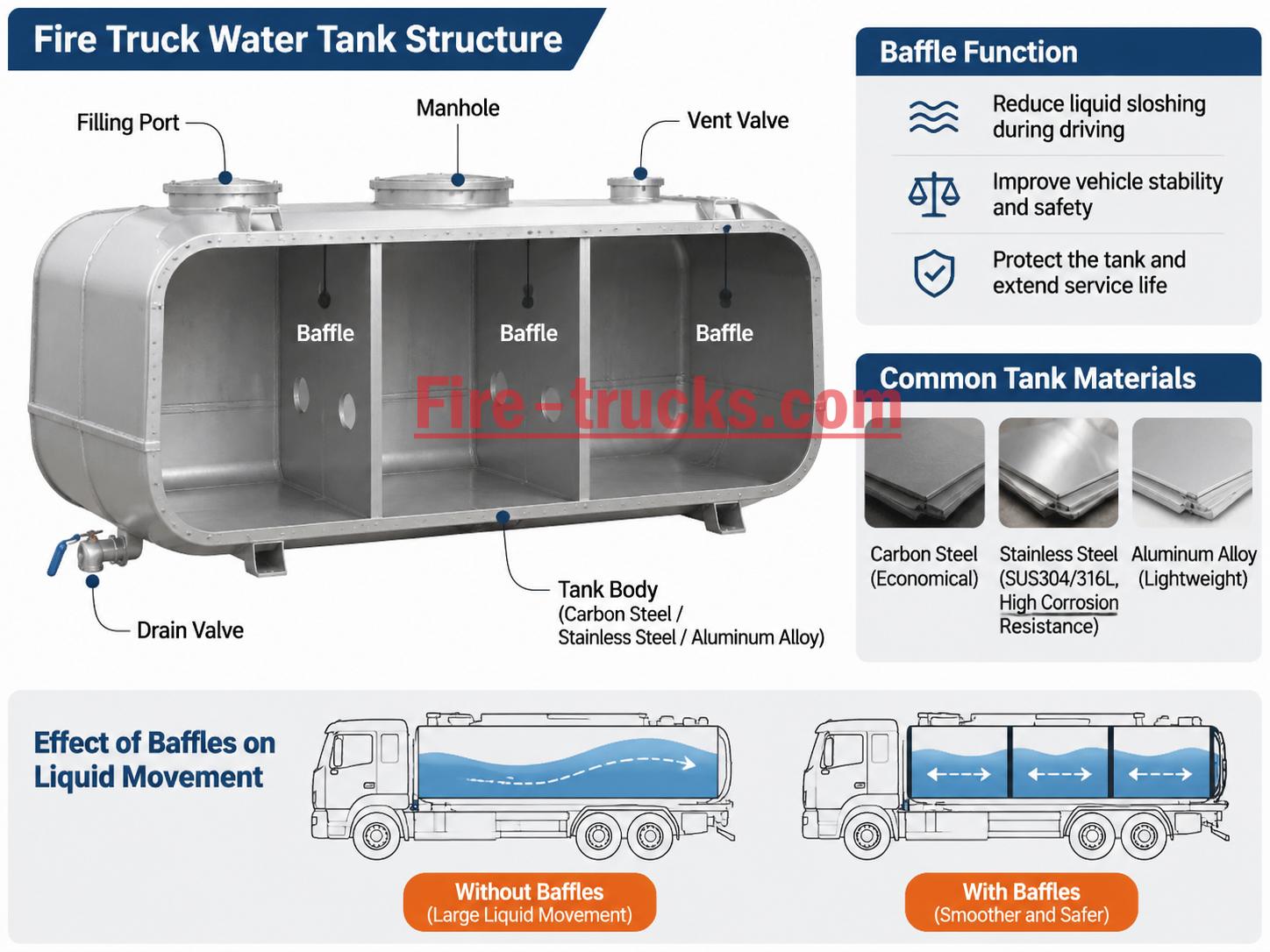
• Tank material: Carbon steel with an anti-corrosion coating is the most economical option. Stainless steel (SUS304 or SUS316L) adds cost but offers better corrosion resistance and a longer service life. Aluminum alloy saves weight but requires specialized manufacturing. Material choice affects not only the initial price but also maintenance costs over the vehicle's entire life cycle.
• Baffles and internal structure: A tank with properly designed baffles requires internal partitions, reinforcing ribs, and careful welding. Cutting corners on baffle design compromises vehicle stability and safety during braking and cornering.
V. Customization and Equipment Packages
Fire trucks are rarely built to a single standard specification. The degree of customization is a major price factor and is often underestimated in budget planning.
• Cab configuration: Left-hand drive/right-hand drive (LHD/RHD) selection directly affects chassis procurement cost (RHD export markets usually require special ordering or modification). In addition, double-row/multi-row seating layouts, rollover protection structures, and interior space dimensions also affect construction cost.
• Equipment compartment layout: Standard aluminum alloy roller-shutter equipment compartments are the baseline configuration. Custom layouts, dedicated mounting brackets, LED lighting, and climate control for equipment compartments all add cost.
• Pump compartment configuration: A rear-mounted pump with a simple control panel is less expensive than a mid-mounted pump with integrated electronic control systems, digital instrumentation, and automatic valve control.
• On-board equipment: The chassis and body are only part of the cost. Hoses, nozzles, fire monitors, foam concentrate, rescue tools, breathing apparatus, and communication equipment can add tens of thousands of dollars to the total procurement cost. A procurement budget that covers only the vehicle and excludes the equipment package will be seriously insufficient.
• Custom paint, markings, and delivery: These are smaller items but still part of the total price. Delivery distance, training requirements, and warranty terms also affect the final contract price.
VI. Shipping and Import Costs
For international buyers, the total procurement cost of a fire truck includes more than the factory quotation.
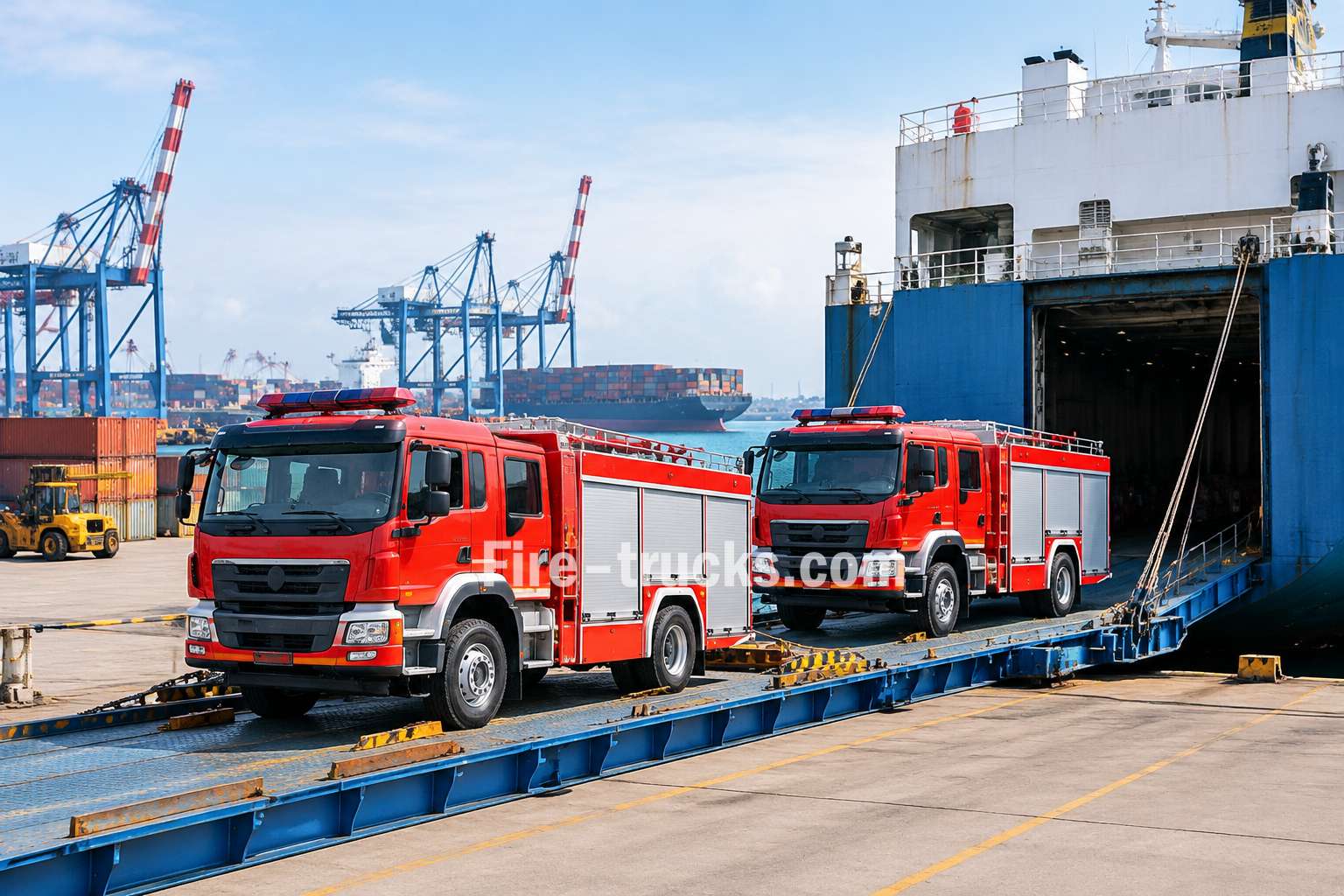
Additional costs may include:
• Ocean freight and marine insurance.
• Port handling charges and customs clearance fees.
• Import duties and local taxes.
• Vehicle registration and certification fees.
• Inland transportation to the final destination.
Shipping costs depend on vehicle size, weight, shipping route, and mode of transport. Buyers should compare the complete landed cost, not just the factory quotation.
VII. New vs. Used Fire Trucks: Which Is More Cost-Effective?
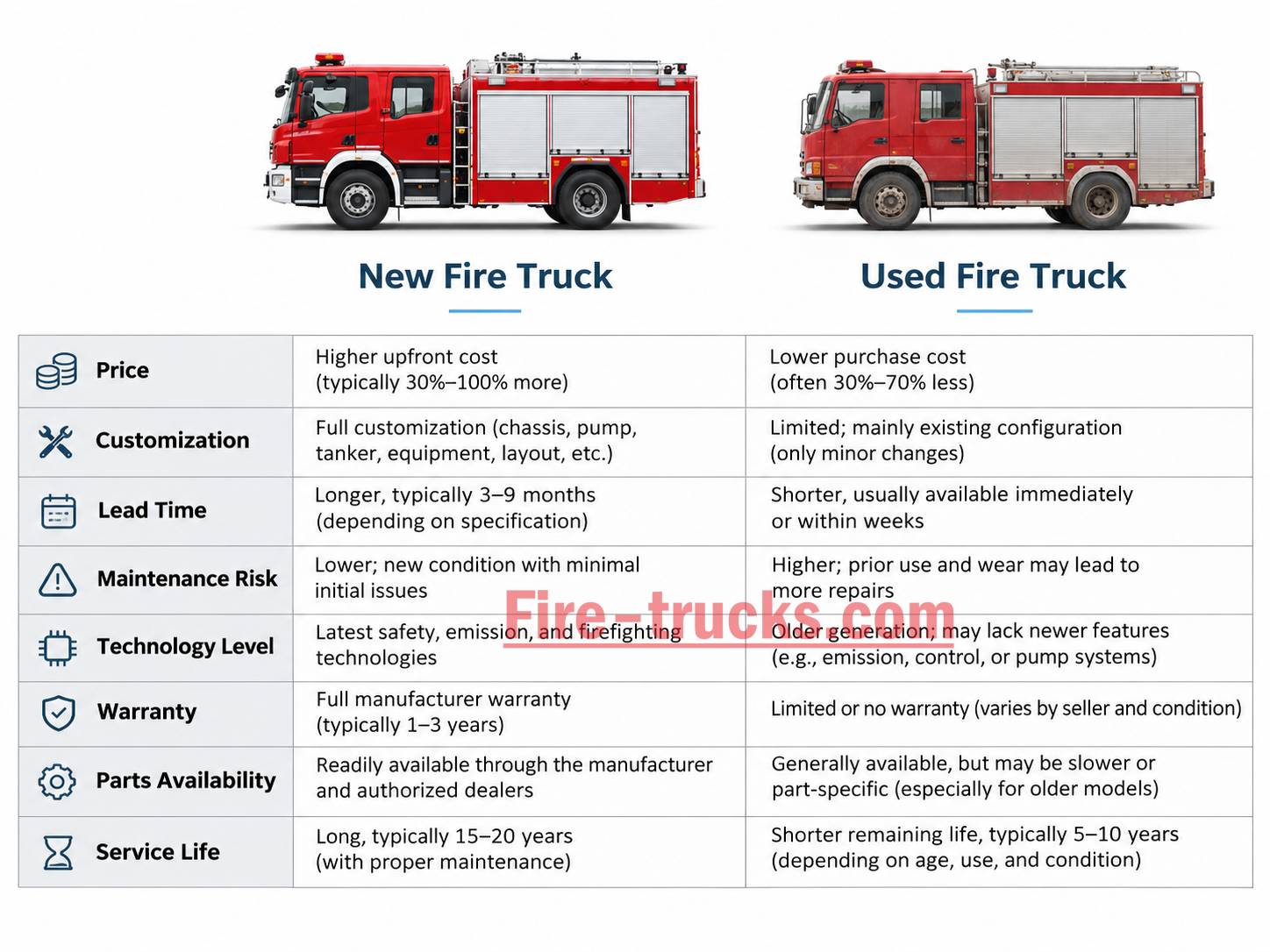
When purchasing a fire truck, buyers can choose between new and used vehicles. Each option has its advantages, depending on the procurement budget, operational requirements, and expected service life.
| Comparison | New Fire Truck | Used Fire Truck |
| Purchase Price | Higher | Lower |
| Vehicle Condition | Brand new | Depends on age and maintenance |
| Customization | Flexible | Limited |
| Technology | Latest systems | May use older systems |
| Warranty | Usually available | Depends on seller |
| Maintenance | Generally more predictable initially | May require additional repairs |
New fire trucks suit buyers who need specific configurations, long-term use, and manufacturer after-sales support. Used fire trucks suit budget-constrained organizations, provided the vehicle passes a comprehensive inspection.
VIII. Frequently Asked Questions (FAQ)
Q1: Which type of fire truck is the cheapest?
A: Basic water tanker fire trucks and small commercial-chassis fire trucks are generally among the lower-priced models. The exact price depends on chassis specifications, tank capacity, fire pump performance, and equipment configuration.
Q2: What is the most expensive component of a fire truck?
A: For standard water tankers and pumpers, the chassis and fire pump are the largest single cost items. For elevating fire trucks, the boom and hydraulic system dominate the price. For all vehicle types, the cumulative cost of customization and equipment can exceed the cost of the base vehicle.
Q3: Why are aerial ladder fire trucks more expensive?
A: Aerial ladder fire trucks require specialized hydraulic lifting systems, reinforced structures, advanced safety control systems, and complex manufacturing processes, resulting in higher production costs.
Q4: What information is needed to get a fire truck quotation?
A: Buyers should provide the required fire truck type, chassis brand, water and foam tank capacities, fire pump specifications, firefighting equipment, destination country, and quantity. These details help manufacturers prepare an accurate quotation.
Q5: Does the fire truck price include shipping costs?
A: Not necessarily. Factory quotations may cover only the vehicle itself. International buyers should confirm whether freight, insurance, customs duties, port charges, and inland transportation are included.
Q6: Is a stainless steel tank worth the extra cost?
A: For most municipal and industrial departments, yes. Stainless steel eliminates the need for internal coating maintenance, provides a longer service life, and resists corrosion from foam concentrate and contaminated water. Carbon steel is only viable if water quality is consistently good and coating maintenance can be guaranteed.
Summary
Fire truck prices depend on multiple factors, including vehicle type, chassis configuration, tank capacity, fire pump performance, firefighting equipment, materials, and customization requirements.
For international buyers, choosing the right vehicle configuration is more important than simply pursuing the lowest price. Comprehensively comparing vehicle specifications, manufacturing quality, operating costs, and delivery arrangements helps achieve more cost-effective procurement.


U bent misschien geïnteresseerd in de volgende informatie
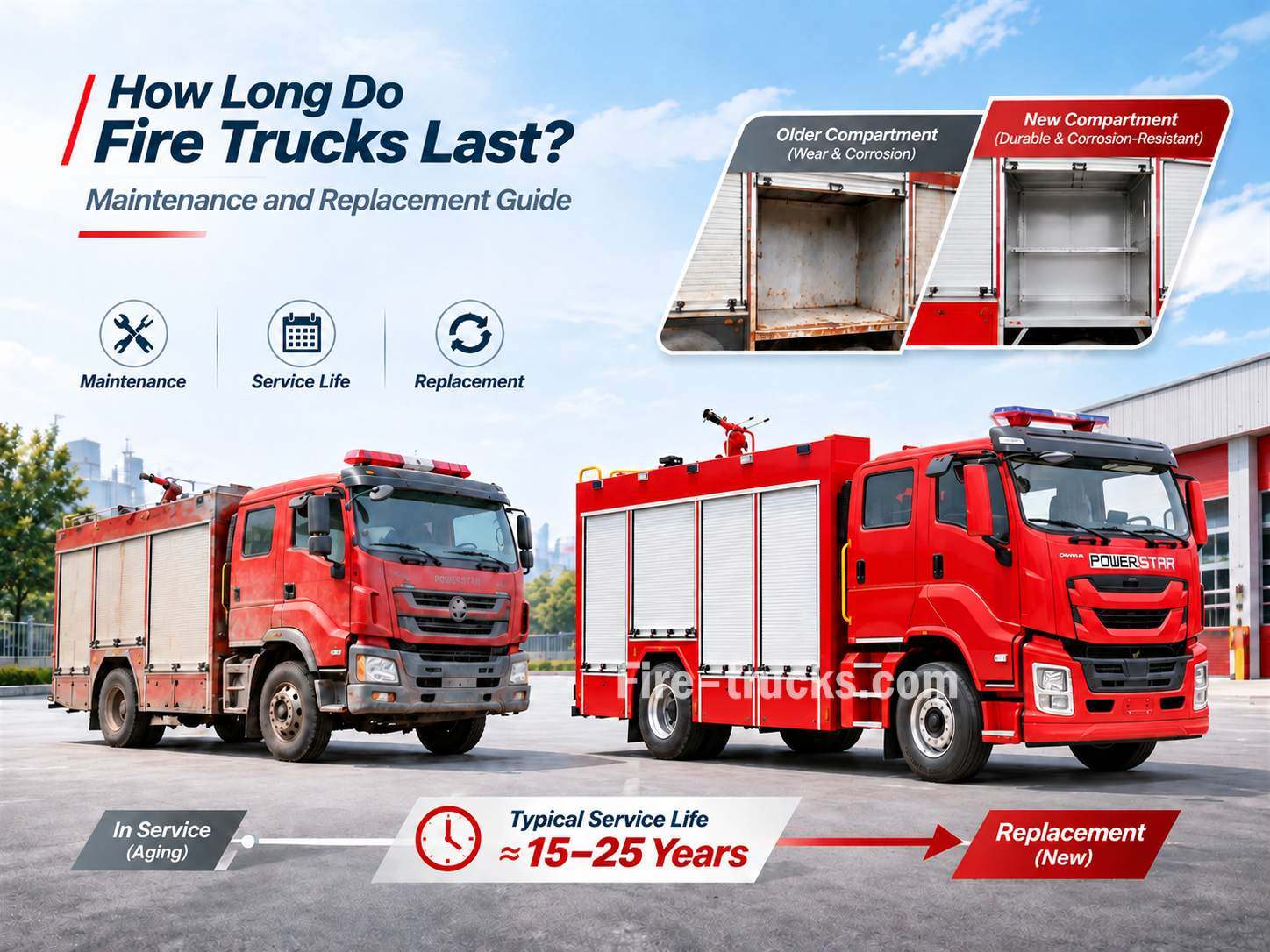
Een brandweerwagen is een gespecialiseerd noodvoertuig dat moet kunnen functioneren in zware werkomstandigheden. Hij moet niet alleen snel kunnen reageren op noodgevallen, maar ook een grote hoeveelheid uitrusting kunnen vervoeren, water of blusmiddelen transporteren en betrouwbare prestaties leveren in complexe omgevingen. Net als andere bedrijfsvoertuigen hebben brandweerwagens echter een bepaalde levensduur. De werkelijke levensduur hangt af van de kwaliteit van het chassis, de werkomgeving, het jaarlijkse kilometrage, het onderhoud en de algehele staat van kritieke brandbeveiligingssystemen. Dus, hoe lang gaat een brandweerwagen mee? Er is geen uniform vervangingsinterval dat geldt voor alle brandweervoertuigen. Een goed onderhouden voertuig kan vele jaren dienst blijven doen, terwijl een voertuig dat vaak noodmissies uitvoert, lange tijd wordt blootgesteld aan zware omstandigheden of slecht wordt onderhouden, mogelijk sneller moet worden vervangen. Dit artikel behandelt de belangrijkste factoren die de levensduur van een brandweerwagen beïnvloeden, hoe u de levensduur van uw voertuig kunt verlengen door goed onderhoud en aan welke tekenen u kunt merken dat het tijd is om een oudere brandweerwagen te vervangen. Snelle antwoord: Hoeveel jaar gaat een brandweerwagen mee? De levensduur van een brandweerwagen wordt meestal geschat op 10 tot 20 jaar of meer, maar dit hangt af van het model, de werkintensiteit, de gebruiksomgeving, de onderhoudshistorie en de algehele staat van het voertuig. In de praktijk kan een goed onderhouden brandweerwagen met een intact chassis meer dan 25 jaar meegaan, terwijl een brandweerwagen met ernstige corrosie of verouderde onderdelen mogelijk eerder moet worden vervangen. » I. Hoe lang gaat een brandweerwagen meestal mee? De levensduur van een brandweerwagen is meestal opgesplitst in twee fasen: Eerstelijnsinzet (10-15 jaar): Als primaire inzetunit krijgen voertuigen te maken met veel uitrukken, zware pompactiviteiten en dagelijkse slijtage. Reservetaak (15-25 jaar): Het voertuig wordt overgedragen aan de reservetaak of ingezet voor minder intensieve taken om de levensduur te verlengen. » II. Welke onderdelen beïnvloeden de levensduur van een brandweerwagen? Brandweerwagens verouderen doordat hun kernonderdelen verslijten. De levensduur wordt bepaald door de zwakste schakel in de mechanische keten. Onderdeel Wat de levensduur bepaalt Chassis Laadvermogen, sterkte van het frame, corrosie Motor Slijtage, koelingsefficiëntie, bedrijfsuren Brandweerpomp Waaierlijtage, integriteit van de mechanische afdichting, staat van de lagers Watertank Corrosiebestendigheid, integriteit van de schotten, kwaliteit van de lasnaden Elektrisch systeem Integriteit van de bekabeling, betrouwbaarheid van de regelaar, nauwkeurigheid van de sensoren Invloed van werkomstandigheden: Twee brandweerwagens uit hetzelfde bouwjaar kunnen een heel andere levensduur hebben, afhankelijk van hoe en waar ze worden gebruikt. Vijf belangri...
Details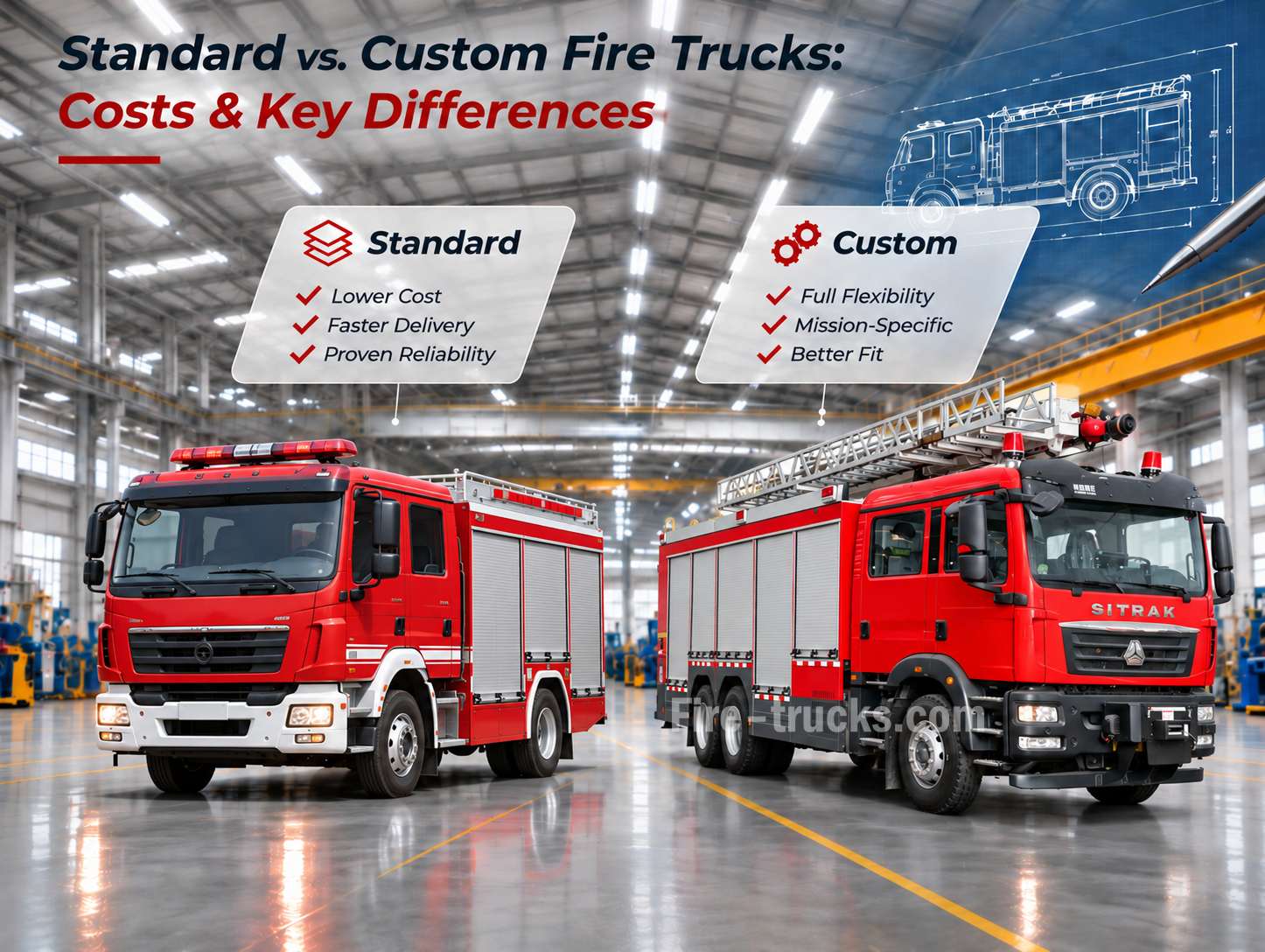
Het kiezen van de juiste brandweerwagen is een cruciale beslissing voor elke brandweer, reddingsdienst of overheidsinkoopdienst. Kopers worden vaak geconfronteerd met een belangrijke vraag: moeten ze een gestandaardiseerde brandweerwagen kopen of investeren in een maatwerkoplossing? Beide opties hebben voordelen en beperkingen. De uiteindelijke keuze hangt af van de daadwerkelijke operationele behoeften, de werkomgeving, het budget, de vereisten voor de uitrustingsconfiguratie en de plannen voor onderhoud op de lange termijn van de brandweer. Dit artikel legt de belangrijkste verschillen uit tussen gestandaardiseerde en op maat gemaakte brandweerwagens, vergelijkt hun respective voordelen en zet de belangrijkste factoren op een rijtje waarmee rekening moet worden gehouden voordat u een brandweerwagen aanschaft. Snelle antwoord Gestandaardiseerde brandweerwagens zijn vooraf ontworpen modellen die zijn gebouwd volgens gevestigde configuraties met beperkte opties voor maatwerk. Ze bieden lagere kosten, snellere levering en bewezen betrouwbaarheid. Op maat gemaakte brandweerwagens zijn vanaf de grond af ontworpen om te voldoen aan de exact specificaties van een dienst, en bieden maximale flexibiliteit en pasvorm, maar vereisen een hoger initiële investering en aanzienlijk langere levertijden. De juiste keuze hangt ervan af of aan uw operationele behoeften kan worden voldaan met een bewezen ontwerp of dat er een unieke oplossing voor nodig is. ♦ I. Wat is een gestandaardiseerde brandweerwagen? Een gestandaardiseerde brandweerwagen is gebouwd volgens bewezen, herhaalbare configuraties met behulp van gevalideerde chassis, carrosseriestructuren, brandblussystemen en uitrustingsindelingen. Het biedt ook een reeks vooraf ingestelde optionele pakketten, waarbij wijzigingen doorgaans beperkt zijn tot kleine zaken zoals lakleur, bestickering, radiosystemen en verlichting. Veelvoorkomende typen gestandaardiseerde voertuigen omvatten: Tankautospuiten Tankwagens Hulpverleningsvoertuigen Ladderwagens Minipumpers Snelle interventievoertuigen Het belangrijkste voordeel van een gestandaardiseerde brandweerwagen is dat het ontwerp en de configuratie relatief volwassen zijn. Kopers kunnen direct het juiste model selecteren zonder elk technisch detail vanaf nul te hoeven ontwerpen. Belangrijkste voordelen van gestandaardiseerde brandweerwagens: 1. Beter beheersbare inkoopkostenGestandaardiseerde configuraties vereisen doorgaans geen uitgebreid individueel engineeringwerk, wat helpt om de initiële projectkosten te verlagen en budgetplanning eenvoudiger maakt. 2. Snellere leveringVooraf ontworpen constructies verkorten de wachttijden, wat cruciaal is wanneer een dienst kampt met een urgent voertuigtekort. 3. Eenvoudiger onderhoud en trainingVoor diensten met meerdere vergelijkbare brandweervoertuigen helpen uniforme voertuigconfiguraties de consistentie te behouden in uitrustingsindeling, bedieningsprocedures en onderhoudsvereisten. 4. Bewezen betrouwbaarheidHet ontwerp ...
Details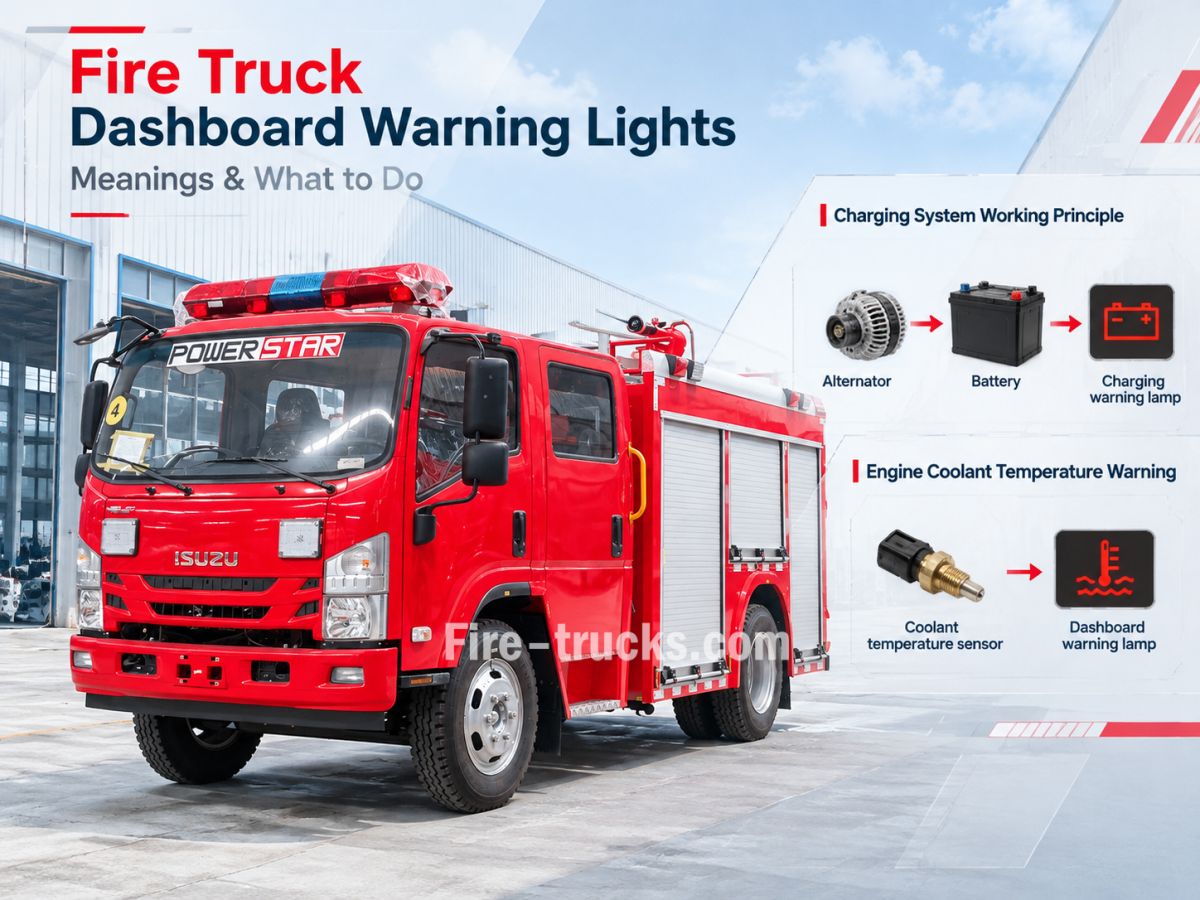
Wanneer een brandweerwagen start, lichten er talloze waarschuwingslampjes in het midden van het dashboard op, die na enkele seconden automatisch weer uitgaan. Dit proces is het zelfcontrolesysteem van het voertuig. Om bestuurders te helpen de algehele toestand van een brandweerwagen volledig te beheersen,brandweerwagenHet is essentieel om deze instrumenten te begrijpen en te gebruiken om te beoordelen of elk onderdeel normaal functioneert. Veelvoorkomende controlelampjes zijn onder andere: deur open, parkeerrem, veiligheidsgordel, motorcontrole, oliedruk, ABS, airbag, accu en brandstofniveau. Dit artikel legt uit hoe u de belangrijkste meters en waarschuwingslampjes van een brandweerwagen moet aflezen – inclusief de meters op het bedieningspaneel van de brandweerpomp – en beschrijft preventieve maatregelen om de veiligheid en operationele gereedheid van het voertuig te waarborgen. ♦ I. Inzicht in de meters van een brandweerwagen Meters geven continu de toestand van de motor en het systeem weer. In tegenstelling tot waarschuwingslampjes, die alleen oplichten wanneer een drempelwaarde wordt overschreden, stellen meters de bestuurder in staat trends te volgen en problemen te detecteren voordat ze kritiek worden. Een brandweerwagen heeft twee belangrijke gebieden voor monitoring: de chassis dashboard en de Bedieningspaneel van de brandweerpomp. 1. Dashboardmeters van het chassis OliedrukmeterDe oliedrukmeter geeft de druk in het oliekanaal van de motor weer terwijl de motor draait, en geeft aan of het smeersysteem goed werkt. Bij geïmporteerde brandweerwagens is de oliedrukmeter vaak gemarkeerd met "OIL".De oliedruk wordt bepaald door het motortoerental. Preventieve maatregel: Als de wijzer naar "0" zakt of boven het normale drukbereik uitkomt, moet de motor onmiddellijk worden uitgeschakeld om de oorzaak te onderzoeken. Het blijven draaien van een motor met een te lage oliedruk kan ernstige interne schade veroorzaken. WatertemperatuurmeterDe watertemperatuurmeter geeft de temperatuur van de motorkoelvloeistof aan. De starttemperatuur moet hoger zijn dan 50 °C. Vermijd rijden met hoge snelheid of zware belasting wanneer de temperatuur lager is dan 50 °C.De normale bedrijfstemperatuur moet worden gehandhaafd tussen 80°C en 95°CDe meter is gemarkeerd met "H" (heet) en "C" (koud). Een wijzer richting "H" geeft oververhitting aan; een wijzer richting "C" geeft aan dat de motor te koud is; een wijzer ertussenin geeft een normale temperatuur aan. Preventieve maatregel: Als de temperatuurmeter tijdens het rijden 100°C aangeeft, moet de motor onmiddellijk stationair draaien en moet het koelsysteem of het koelvloeistofniveau worden gecontroleerd. Vul indien nodig koelvloeistof bij. Schema van de koelvloeistofcirculatie in de motor MotortoerentellerDe toerenteller geeft het motortoerental weer in omwentelingen per minuut (RPM). Hij wordt gebruikt voor het afstellen van het stationair toerental en voor het controleren van het motortoerental voor maximale effici...
Details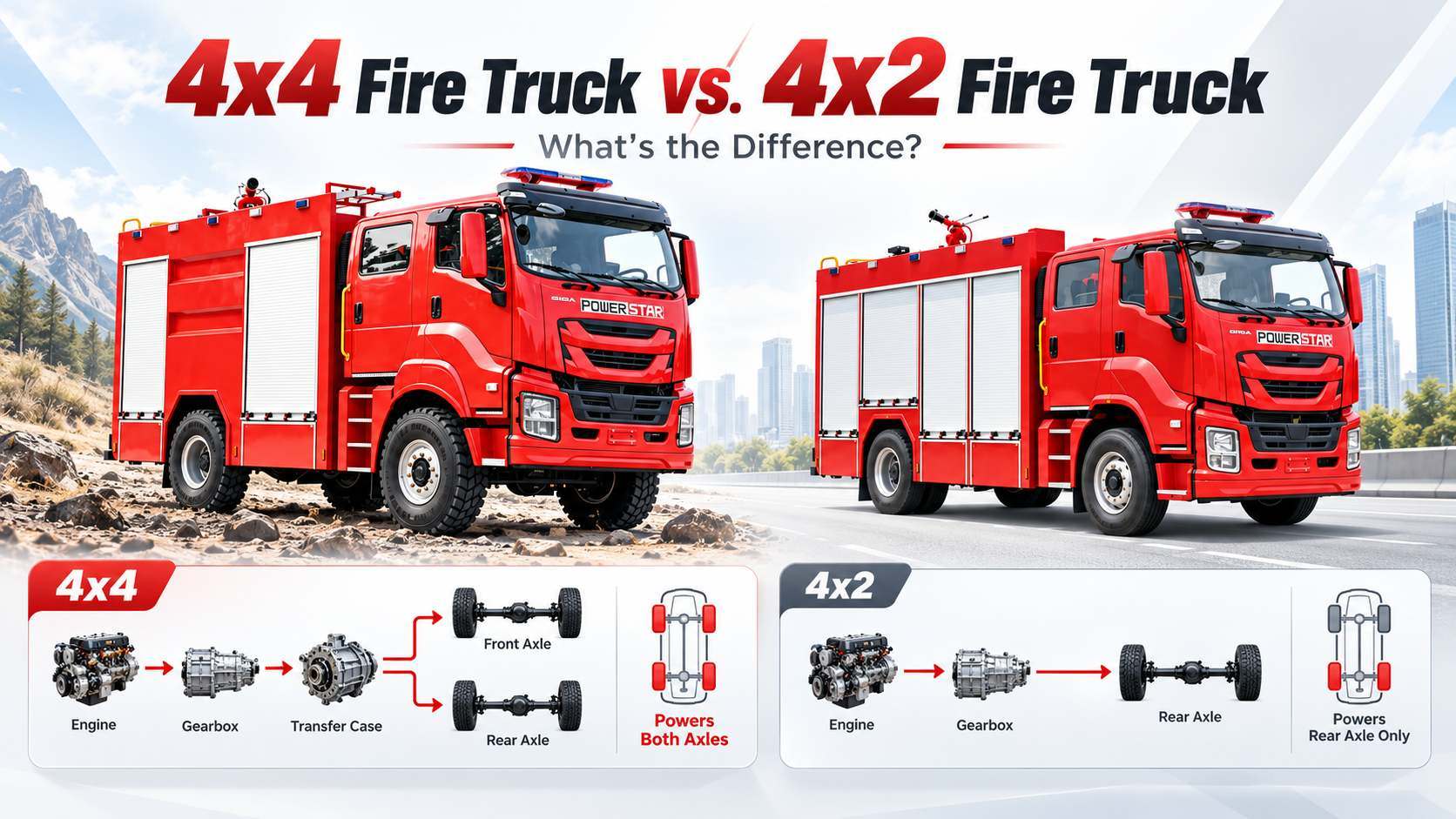
Bij het specificeren van een brandweerwagen is een van de eerste beslissingen voor het chassis de aandrijfconfiguratie. Een 4×2-brandweerwagen wordt aangedreven via twee wielen op een enkele as, terwijl een 4×4-brandweerwagen vermogen levert aan alle vier de wielen. Dat verschil klinkt misschien eenvoudig, maar het verandert waar de wagen kan komen, hoeveel hij kost en wat voor soort brandscenario's hij aankan. Deze gids legt de praktische verschillen uit tussen 4×4- en 4×2-brandweerwagens, de betrokken afwegingen en hoe u de juiste configuratie kiest voor uw operationele vereisten. Kort antwoord Een 4×2-brandweerwagen maakt gebruik van tweewielaandrijving, meestal op de achteras. Hij is lichter, goedkoper en wendbaarder op verharde wegen, waardoor het de standaardkeuze is voor stedelijke en gemeentelijke brandbestrijding. Een 4×4-brandweerwagen levert vermogen aan alle vier de wielen en biedt superieure tractie op onverharde wegen, modder, sneeuw en steil terrein. Hij is zwaarder, duurder en minder brandstofzuinig, maar essentieel voor natuurbrandbestrijding, landelijke gebieden en terreinrijden. I. Hoe de twee configuraties werken 4×2-configuratie: De motor stuurt vermogen naar een enkele achteras. De voorwielen sturen, maar drijven niet aan. Dit is de conventionele indeling voor commerciële vrachtwagens en de meeste gemeentelijke brandweervoertuigen. Het is eenvoudig, bewezen en efficiënt op harde ondergronden. 4×4-configuratie: De motor stuurt vermogen naar zowel de voor- als de achteras via een tussenbak. De bestuurder kan de vooras naar behoefte in- of uitschakelen. Wanneer deze is ingeschakeld, trekken alle vier de wielen het voertuig vooruit, wat de tractie op losse of gladde ondergronden aanzienlijk verbetert. II. Belangrijkste verschillen in één oogopslag Vergelijkingspunt 4x2-brandweerwagen 4x4-brandweerwagen Aangedreven wielen Alleen achteras Voor- en achteras Tractie op losse ondergronden Beperkt Uitstekend Terreinvaardigheid Verharde wegen en stevige ondergrond Modder, sneeuw, zand, steile hellingen, onverharde wegen Voertuiggewicht Lichter Zwaarder (tussenbak, aangedreven vooras) Aanschafkosten Lager Hoger Brandstofverbruik Zuiniger Lager Onderhoudscomplexiteit Lager Hoger (extra aandrijflijncomponenten) Bodemvrijheid Standaard Meestal hoger Draaicirkel Vaak krapper Vaak groter Zwaartepunt Lager Hoger Meest geschikt voor Stedelijke straten, gemeentelijke inzet Natuurbranden, landelijk gebied, ruig terrein III. Waar 4×2 in uitslinkt: Stedelijke en gemeentelijke brandbestrijding Een 4×2-chassis is de standaard voor de meeste gemeentelijke brandweervoertuigen, en dat is niet zonder reden. Lager in kosten en gewicht: Een 4×2-chassis is goedkoper in aanschaf en onderhoud. Het is ook lichter, waardoor er binnen dezelfde maximaal toegestane massa een grotere watertank of meer apparatuur kan worden meegenomen. Uit een analyse van een brandweerkorps bleek dat de keuze voor een 4×2-configuratie hen in staat stelde om een tank van 1.500 gal...
Details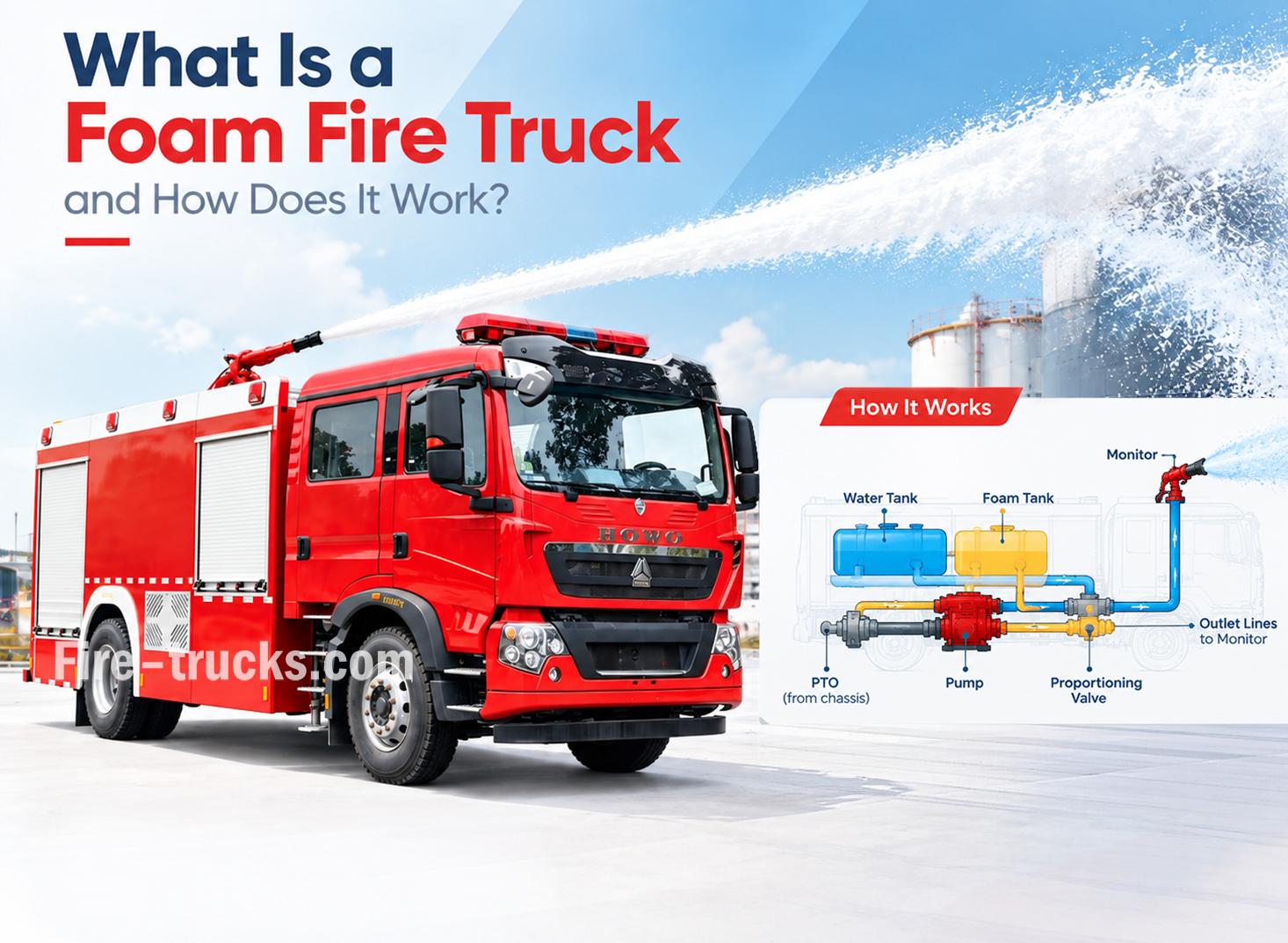
Een schuimbluswagen is een gespecialiseerd brandweervoertuig dat is ontworpen om water en schuimvormende blusmiddelen te vervoeren, mengen en lozen voor een efficiënte brandbestrijding. In tegenstelling tot standaard brandweerauto's die hoofdzakelijk op water vertrouwen, schuimbluswagens zijn uitgerust met een speciaal schuimsysteem dat water en schuimconcentraat in een vooraf ingestelde verhouding mengt tot een schuimoplossing. Een schuimbluswagen kan tegelijkekertijd of onafhankelijk water en schuimoplossing lozen, waardoor deze bijzonder geschikt is voor het blussen van oliebranden (klasse B-branden). Dit artikel geeft een systematische uitleg over de schuimbluswagen vanuit het perspectief van de technische constructie, krachtoverbrenging, proportioneringsprincipe, operationele procedures en dagelijks onderhoud. Snelle antwoord Een schuimbluswagen bestaat uit een chassis en een opbouw. Het werkingsprincipe is: de motor van het chassis levert vermogen via een aftakas (PTO), die de brandpomp aandrijft via een aandrijfas. De brandpomp brengt water onder druk en het schuimproportioneringssysteem zuigt schuimconcentraat aan in een vooraf ingestelde verhouding (meestal 3% of 6%) om een schuimoplossing te vormen, die uiteindelijk via de water-schuimmonitor of het schuimmondstuk wordt geloosd voor brandbestrijding. I. Algemene constructie van een schuimbluswagen Een schuimbluswagen bestaat over het algemeen uit twee hoofdgedeelten: het chassis en de brandweeropbouw. De opbouw omvat voornamelijk de volgende kerncomponenten: Aftakas (PTO): Brengt het motorvermogen van de aandrijflijn van het chassis over naar de brandpomp Watertank: Slaat leidingwater op voor directe straalafvoer en de bereiding van schuimoplossing Schuimtank: Slaat schuimconcentraat op Apparatuurcompartiment: Slaat slangen, mondstukken, gereedschap en koppelingen op Brandpomp: Zuigt water aan, brengt het onder druk en levert water of schuimoplossing Vacuümpomp: Voor het aanzuigen van water (bijv. zuigervacuümpomp) Schuimproportioneringssysteem: Mengt schuimconcentraat met water in de vereiste verhouding Water-schuimmonitor: Handmatig of op afstand bediend inrichting voor lozing over lange afstand II. Vermogensafgiftesysteem (PTO) De stroombron van een schuimbluswagen is de chassisotor. De PTO haalt vermogen uit de versnellingsbak of het motorvliegwiel en brengt dit via een aandrijfas over naar de brandpomp. Middelgrote en zware schuimbluswagens maken momenteel grotendeels gebruik van volvermogen sandwich-type PTO's (vóór de versnellingsbak) of aandrijfas-PTO's (achter de versnellingsbak). De PTO-uitgang drijft de brandpomp aan. De brandpomp zuigt water aan uit de tank of een externe bron en brengt dit onder druk. Een deel van het onder druk staande water uit de brandpomp komt in het schuimproportioneringssysteem terecht, terwijl het andere deel direct wordt gebruikt voor brandbestrijding. Het schuimproportioneringssysteem zuigt schuimconcentraat aan uit de schuimtank en mengt dit met w...
Details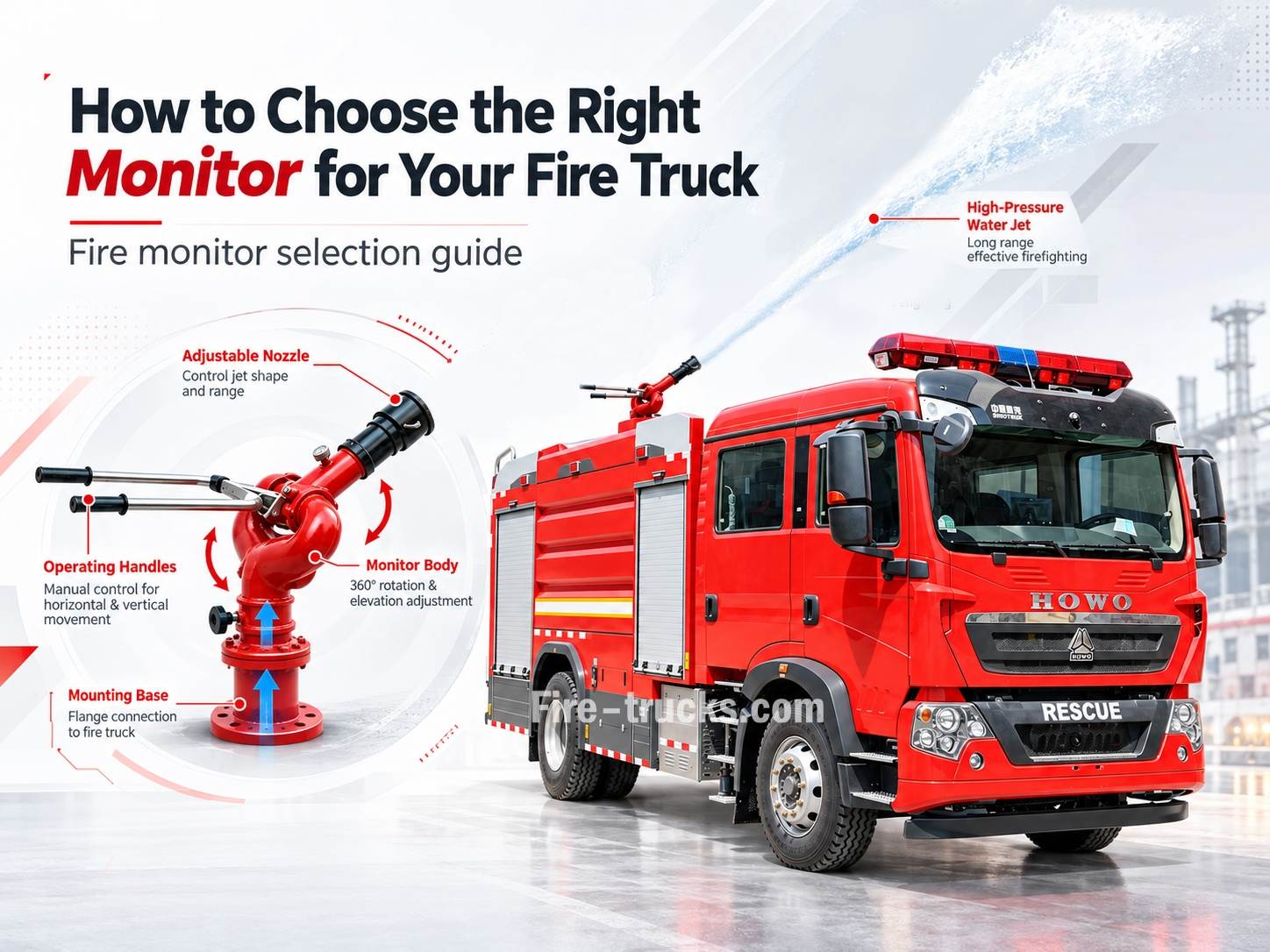
Een brandmonitor – ook wel waterkanon op een brandweerwagen of op een voertuig gemonteerde monitor genoemd – is een essentieel onderdeel van moderne brandbestrijding.brandweerwagenHet apparaat spuit grote hoeveelheden water of blusschuim, waardoor brandweerlieden branden kunnen blussen in hoge gebouwen, industriële complexen en andere gebieden die moeilijk direct bereikbaar zijn of aanzienlijke veiligheidsrisico's met zich meebrengen. Maar de juiste brandblusmonitor kiezen is niet alleen een kwestie van het model met het grootste bereik of de hoogste doorstroomsnelheid selecteren. Moet uw brandweerwagen een handmatige, elektrische of op afstand bedienbare monitor gebruiken? Hoeveel doorstroomsnelheid heeft u daadwerkelijk nodig? Wat is het verschil tussen gangbare modellen zoals de PL8/24, PL8/32 en PL8/48? Dit artikel legt de belangrijkste selectiefactoren uit en vergelijkt drie veelgebruikte schuimwaterblusmonitoren om brandweerkorpsen, fabrikanten van brandweerwagens en inkopers van apparatuur te helpen weloverwogen beslissingen te nemen. Snel antwoord Handmatige brandmelders worden ter plaatse bediend met een handwiel of hendel – eenvoudig, betrouwbaar en goedkoop, geschikt voor locaties met toezicht en een matig brandrisico. Elektrische brandmelders Ze maken gebruik van motorisch aangedreven actuatoren die vanuit de cabine of een bedraad bedieningspaneel worden aangestuurd; zo blijven de machinisten uit de buurt van hitte en rook. Brandmonitoren met afstandsbediening Voeg draadloze bediening, vooraf ingestelde posities en automatische detectie-integratie toe – essentieel voor risicovolle zones waar de toegang verboden is. I. Bedieningstypen van brandmelders: Handmatig, elektrisch of op afstand 1. Handmatige brandmelder Een handmatige brandmonitor maakt gebruik van een handgreep, hendel of handwiel om horizontale rotatie en verticale elevatie te bereiken. De constructie is eenvoudig en het apparaat wordt veel gebruikt op conventionele brandweerwagens. Belangrijkste kenmerken: Eenvoudige bediening en mechanische constructie Werkt ook bij stroomuitval of in afgelegen gebieden. Lagere aanschaf- en onderhoudskosten Geschikt voor brandweerwagens waarbij de monitorpositie gemakkelijk bereikbaar is. Wanneer te kiezen: Kleine tot middelgrote magazijnen, dokken, pompstations en andere bemande locaties waar het brandrisico matig is en de toegang voor personeel veilig is. Beperking: De handmatige monitor heeft één zwak punt: er moet iemand bij de monitor aanwezig zijn. Als het gebied te gevaarlijk is om te benaderen, kan de monitor niet worden bediend. 2. Elektrische brandmonitor Een elektrische brandmonitor maakt gebruik van motoraangedreven mechanismen voor horizontale en verticale beweging. Operators bedienen de monitor doorgaans via een bedrade joystick, een bedieningspaneel of een geïntegreerd voertuigbesturingssysteem. Belangrijkste kenmerken: Motorisch aangedreven afstelling met snellere respons en hogere precisie. De machinist blijft in de cabin...
Details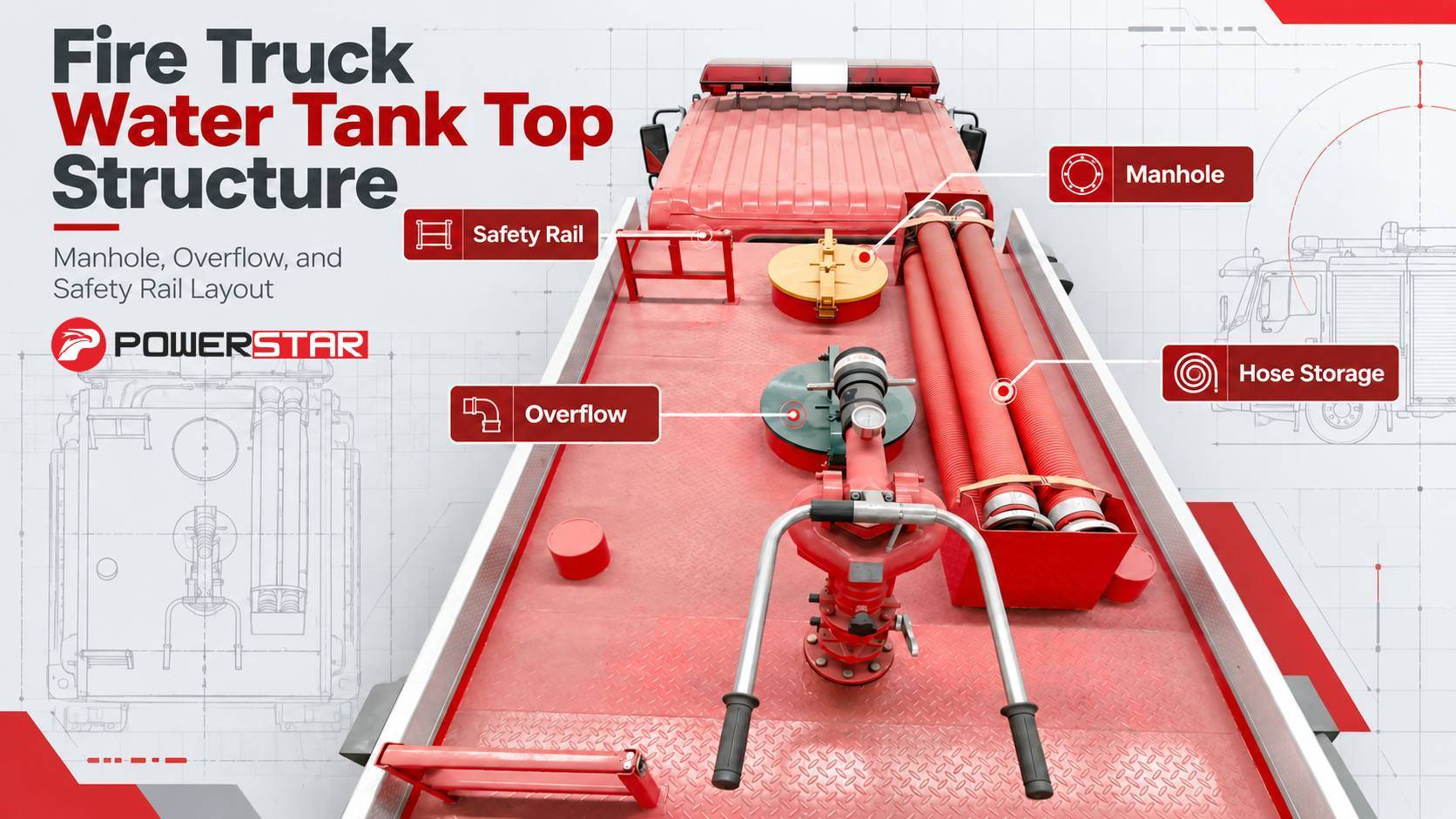
De bovenkant van een watertank van een brandweerauto is geen platte afdekking — het is een werkplatform waarin vulling, ventilatie, overloopbeveiliging, brandweeruitrusting en de veiligheid van de bemanning zijn geïntegreerd. Elk onderdeel dat op de brandweerauto tank is gemonteerd, vervult een specifieke functie tijdens watertoevoer- en blusoperaties. Het begrijpen van deze opbouw van een brandweerauto is essentieel voor specificatie-experts van voertuigen, pompbedieners en onderhoudspersoneel. Dit artikel legt de complete bovenstructuur van een watertank van een brandweerauto uit, inclusief het mangat, de overloopzone, de veiligheidsreling, de waterkanon, de slangopslag en andere belangrijke componenten. Snelle antwoord De bovenstructuur van een watertank van een brandweerauto omvat meestal: een mangat voor interne inspectie en reiniging, een overloopzone om overmatige druk tijdens het vullen te voorkomen, een veiligheidsreling voor de bescherming van de bemanning bij daktoegang, een waterkanon voor verhoogde water- of schuimafgifte, slangopslag voor snelle inzet, en een vul-aansluiting voor het vullen van de tank. Elk onderdeel is zo geplaatst dat het een efficiënte watertoevoer en een veilige werking ondersteunt. I. Mangat van de watertank van de brandweerauto: Primaire toegang voor inspectie en reiniging Het mangat is het primaire toegangspunt voor interne tankinspectie, reiniging en onderhoud. Het is doorgaans een cirkelvormige opening met een afgedicht deksel, dat zich boven op de tank bevindt voor gemakkelijke toegang vanaf het dak van het voertuig. Belangrijkste kenmerken: • DN500mm standaard opening — groot genoeg voor personeelstoegang• Afgedicht deksel met pakking om waterlekkage en verontreiniging te voorkomen• Scharnierend of afneembaar ontwerp voor handig openen en sluiten• Vergrendelingsmechanisme om het deksel te beveiligen tijdens het rijden met het voertuig Functie: Het mangat stelt operators in staat om het tankinterieur te inspecteren op corrosie, sedimentophoping en de conditie van de schotten. Het biedt ook toegang voor reiniging en reparatie. Tijdens het vullen kan het mangat dienstdoen als noodventiel als het normale ventilatiesysteem verstopt is. Onderhoudsnotitie: De mangatpakking moet regelmatig worden gecontroleerd op veroudering, scheurvorming of vervorming. Een beschadigde pakking kan waterlekkage veroorzaken en verontreinigingen in de tank toelaten. II. Overloopzone: Bescherming tegen overdruk De overloopzone regelt de afvoer van overtollig water nadat de tank de volledige capaciteit heeft bereikt, waardoor overdruk en structurele schade aan de tank worden voorkomen. Belangrijkste kenmerken: • Overstortleiding met een voldoende diameter om de maximale vulcapaciteit aan te kunnen• Geplaatst op het hoogste punt van de tank om volledige vulling vóór overstroming te garanderen• Voorzien van een gaas of afgedekt om te voorkomen dat vuil en insecten binnendringen• Afvoertraject gericht weggemikt van de voertuigopbouw e...
Details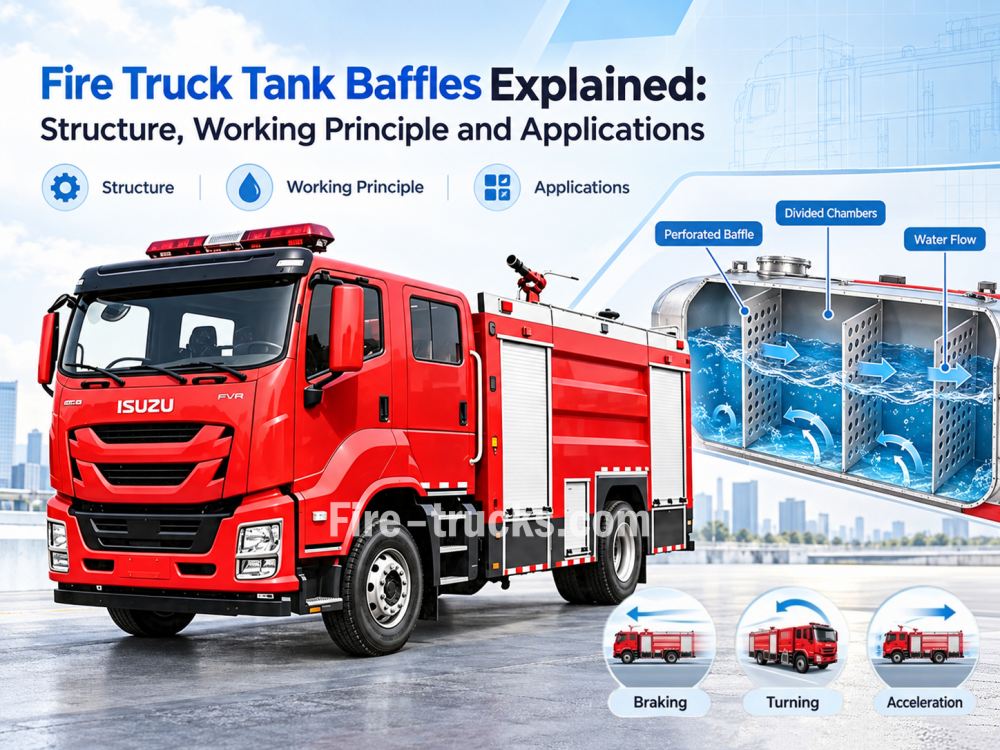
De schotten in de brandstoftank van een brandweerwagen werken volgens de principes van het tegengaan van vloeistofbewegingen en energieafvoer in de vloeistofmechanica. Wanneer eenbrandweerwagenBij accelereren, remmen of bochten nemen tijdens het rijden, ontstaan er sterke klotsende krachten op het water in de tank. Door geperforeerde tussenschotten in de tank te plaatsen, wordt het grote watervolume verdeeld in meerdere kleinere compartimenten. Het vernauwingseffect van de openingen vermindert de kinetische energie van het klotsen, terwijl de stevige ondersteuning van de tussenschotten de structurele stabiliteit van de tank versterkt. Het structurele ontwerp en het werkingsprincipe van schotten in brandweertanks zijn voor veel klanten een belangrijk aandachtspunt, met name de invloed ervan op de rijveiligheid en de levensduur van de tank. Laten we daar vandaag eens nader naar kijken. I. Drie kernfuncties van tankschotten in brandweerwagens 1. Voorkom het klotsen van vloeistoffen: Verdeel het water in de tank in meerdere onafhankelijke compartimenten, waardoor de vrije stroming van het water in zowel de lengte- als de dwarsrichting wordt beperkt en de amplitude van het klotsen wordt verminderd. 2. Verminder de verschuiving van het zwaartepunt: De kinetische energie van het klotsen van het water wordt afgevoerd door de openingen te vernauwen, waardoor de sterke verschuiving van het zwaartepunt van het water als gevolg van voertuigbewegingen wordt afgeremd en het risico op kantelen wordt verminderd. 3. Verhoog de stijfheid van de tank: Schotten worden aan de tankwanden gelast, waardoor een interne verstevigingsstructuur ontstaat die de weerstand van de tank tegen vervorming door waterdruk en mechanische impact verbetert. II. Werkingsprincipe van de schotten in de tank van een brandweerwagen 1. Ontwerp van vloeistofsegmentatie en compartimentering Segmentatieprincipe: Schotten zijn in de lengte van de tank geplaatst, meestal met vaste tussenafstanden, waardoor de binnenruimte wordt verdeeld in meerdere relatief onafhankelijke compartimenten. Water dat tussen de compartimenten stroomt, moet door de openingen in de schotten gaan, waardoor de stroombaan aanzienlijk wordt beperkt. Ruimteontwerp: De afstand tussen de schotten wordt doorgaans bepaald door de lengte en de inhoud van de tank. Een te grote afstand leidt tot onvoldoende demping van het klotsen; een te kleine afstand verhoogt het gewicht van de tank en vermindert het effectieve volume. Een verstandig ontwerp vereist een balans tussen dempingseffectiviteit en een lichtgewicht constructie. 2. Vernauwings- en dempingseffect van de opening Regeling van de gasklepstand: Wanneer water tijdens het klotsen door de openingen van de schotten stroomt, vernauwt de dwarsdoorsnede van de stroming plotseling, neemt de snelheid toe en treedt er lokaal weerstandsverlies op. Wrijving en botsingen tussen watermoleculen en tussen water en de randen van de openingen zetten de kinetische energie van het klotsen om...
Details
Lees verder, blijf op de hoogte, abonneer je en laat ons vooral weten wat je ervan vindt.

 IPv6 Network ondersteund

 Nederlands
 English
 français
 Deutsch
 русский
 italiano
 español
 português
 العربية
 日本語
 한국의
 Türkçe
 Melayu
 ไทย
 Tiếng Việt
 Indonesia
 中文
 қазақ
 Filipino
 မြန်မာ
 српски